Reentering a Storm-Damaged Home in Groveland: Safety, Utilities, and Contamination Concerns
When a storm moves through Groveland, the urge to get back inside fast is completely understandable. You want to see what survived, grab documents, check on family keepsakes, and start cleaning before the damp smell settles in. But the first walk back into a damaged house is where people often take the biggest risks.
In Lake County, that remediation services in Groveland risk is not only about obvious storm damage. It is also about what follows in a humid climate. A roof leak that seems minor on day one can become a mold problem surprisingly quickly when warm air, trapped moisture, and poor ventilation all work together. Floodwater adds another layer. It can carry sewage, soak insulation, contaminate flooring, and leave behind odors that simple drying will not solve. If there was a fire, electrical issue, or lightning-related event, smoke and soot can complicate the cleanup in ways many homeowners do not expect.
The safest reentry is deliberate, not rushed. It starts outside the house, continues with utility checks, and only then moves into cleanup decisions. That order matters.
Start outside before you touch the door
The condition of the exterior tells you a lot about what could be waiting inside. Walk the property slowly and look at the structure before stepping in. You are watching for sagging rooflines, cracked supports, damaged siding, broken windows, leaning trees, and power lines that may be down or low. If part of the home looks shifted, bowed, or partially collapsed, treat that as a stop sign.
After strong wind and rain, one of the easiest mistakes is assuming that if the house is still standing, it is safe to enter. Structural instability is not always dramatic. Sometimes it shows up as a front porch pulling slightly away from the main house, a ceiling line that suddenly dips, or a garage door frame that no longer sits square. I have seen homes where the obvious damage was a torn shingle section, but the real issue was water running behind wall cavities for days.
If floodwater reached the home, pay close attention to where it touched. Water marks on brick, stucco, or foundation surfaces often reveal the true extent of intrusion. If mud or debris lines sit above the threshold, expect contamination concerns inside, not just wet materials.
The first priorities inside are safety and air quality
Once you reasonably believe the structure is safe enough to enter, resist the urge to start moving furniture around immediately. Pause and notice what your senses are telling you. A strong musty smell suggests active moisture. A chemical or fuel odor may point to spills or damaged equipment. A sewage smell changes the cleanup approach completely.
At this stage, the goal is not deep inspection. It is a controlled first entry. Open the house only as conditions allow. If doors and windows can be opened safely, increased airflow may help, but do not assume fresh air alone makes the house safe. In Central Florida conditions, outdoor humidity can also keep materials damp if drying is not managed properly.
This is where people sometimes misunderstand mold. Mold is not a separate problem from moisture. Florida health guidance is clear on this point: mold grows when moisture is present, and common sources include roof leaks, plumbing leaks, condensation, flooding, poor bathroom or kitchen ventilation, and HVAC or drain-pan problems. If you see visible mold or if mold keeps returning, the underlying moisture source still needs to be fixed. Wiping surfaces without solving the leak or humidity issue is just a temporary cosmetic step.
Utilities can turn a bad situation into an emergency
Storm-damaged homes often have hidden utility hazards. Water and electricity are the most urgent combination to respect. If the home has standing water, wet electrical components, or visible wiring damage, treat electrical service as potentially dangerous. Do not wade into flooded rooms to reach outlets, appliances, or the breaker panel.
Gas service deserves the same caution. If you smell gas or suspect a leak, leave immediately and do not create sparks by flipping switches or using electronics in the home. Storm debris can also damage exterior service lines in ways that are not obvious at first glance.
Generators create another common post-storm hazard. They can be useful during recovery, but they also carry fire and carbon-monoxide risks. People often focus on keeping refrigerators running and overlook the safety setup. A generator used incorrectly can injure the very people trying to protect the home.
A careful first reentry usually follows a short mental checklist:
- Check for obvious structural damage before entering.
- Assume utilities may be unsafe if water intrusion or impact damage is visible.
- Avoid standing water until electrical hazards have been ruled out.
- Watch for gas odors, smoke residue, and sewage contamination.
- Document damage before moving or discarding items.
That last point matters more than many homeowners realize. FEMA recovery guidance stresses documenting damage and coordinating with your insurer during cleanup and repairs after flood, storm, smoke, or fire events. The fastest cleanup is not always the smartest if it destroys your proof of loss.
Water damage in Groveland rarely stays simple for long
A storm-damaged home in Groveland sits in a climate that gives moisture every opportunity to linger. Even after visible puddles are removed, water can stay trapped inside baseboards, insulation, under flooring, and inside HVAC components. That is one reason water damage cleanup Central Florida projects often become more involved than homeowners expect.
A wet laminate floor may look acceptable from above while the underlayment beneath it remains saturated. Drywall can feel firm but still wick water higher than the visible stain line. Cabinets, especially particleboard components, may swell and deteriorate over the following days rather than immediately. Soft goods such as rugs, mattresses, and upholstered furniture can hold contamination and odors long after they appear dry.
If floodwater entered the house, assume a dirtier category of loss than a clean supply-line leak. FEMA and CDC flood guidance both emphasize that flooded homes can contain mold and sewage, and reentry should focus first on safety, utilities, and contamination risks. That means cleanup decisions should account for what the water may have carried in with it, not just how much of it there was.
Sewage changes the rules
There is a big difference between rainwater entering through a roof leak and water that backed up through drains or mixed with floodwater outside. Sewage cleanup requires more caution because it can create health hazards. The affected area should be isolated during cleanup, and protective precautions matter.
I have seen homeowners try to save everything after a messy backup because the damaged items seemed sentimental or expensive. The problem is that porous materials do not all respond the same way to contamination. Flooring, drywall, insulation, and upholstered pieces can become reservoirs for both odor and microbial growth. Even after drying, the contamination issue may remain.
The smell itself is not just unpleasant. It is often a clue that contamination reached farther than the visible water line. Odor removal after a sewage event is usually not about fragrance or deodorizer. It depends on removing contaminated material where necessary, cleaning what can be salvaged, and correcting the moisture problem that allowed the odor to persist.
Mold often starts where homeowners are not looking
People tend to look for black spots on walls and assume that is the whole mold issue. In reality, some of the most troublesome growth after a storm develops out of sight. Behind vinyl wallpaper, inside wall cavities, under baseboards, around HVAC components, and at the underside of roof decking are common trouble areas when a home has taken on water.
In Groveland, mold removal often turns into an air-handling problem as much as a cleaning problem. If the central AC system is being used to lower humidity below 60 percent, Florida health guidance says the system should be examined for problems. That matters because a damaged or dirty system can keep redistributing moisture or contaminants instead of helping the house recover.
HVAC mold remediation becomes especially important when the system has been running during or after a moisture event. Condensation issues, drain-pan problems, and wet internal components can allow mold to develop inside the system. Homeowners sometimes think they are doing the right thing by turning the AC down as low as possible after a flood. Sometimes that helps. Sometimes it masks a system issue that needs direct attention.
If a home smells musty every time the AC kicks on, or if visible growth appears around vents, that should not be ignored. The system may need more than a filter change.
Older homes may carry hazards that storms expose
A storm does not create asbestos or lead-based paint, but it can disturb materials that were stable before the damage. This issue comes up often when roofs fail, ceilings collapse, or walls and flooring need to be removed during repairs.
Homes built before 1978 may contain lead-based paint, and renovation, repair, or painting can disturb hazardous materials in older homes. That matters when people start tearing out wet drywall, scraping damaged trim, or prepping smoke-stained surfaces after a fire. It is very easy for a well-intentioned cleanup to turn into a hazardous disturbance.
Asbestos presents a similar concern in certain older building materials. Major renovation or demolition work involving asbestos-containing materials must be handled under applicable rules. So if storm damage leads to tearing out old flooring, insulation, siding, textured materials, or other suspect components, it is wise to slow down before swinging a pry bar.
That is where Groveland FL asbestos testing can fit into a storm recovery plan. Not every damaged home needs it, and no one should force the issue where it does not belong. But in older properties with heavy material damage, testing can help you avoid compounding a storm loss with an avoidable exposure problem. If asbestos-containing materials are confirmed, asbestos abatement Lake County services may become part of the restoration sequence before rebuilding can safely move forward.
Fire, smoke, and storm losses often overlap
Not all storm-damaged homes are flood losses. Lightning strikes, power surges, and electrical failures can lead to fire or smoke events even when the blaze itself was small. A kitchen fire from a generator issue, smoke from scorched wiring, or localized damage in an attic can leave residues that travel farther than homeowners expect.
The first 24 hours after a home fire are important for safety checks, salvaging what is safe, and starting insurance and recovery steps. Smoke residue can settle on walls, ceilings, textiles, and HVAC components. If the AC system ran during or after the incident, odor can move room to room. Fire and smoke damage cleanup is rarely just about the charred area you can see.
One of the trickiest parts of smoke loss is that the house may look almost normal in daylight while still carrying a persistent burnt odor. That usually means residues remain on surfaces or in materials. Odor removal after a fire depends on identifying where smoke traveled, what absorbed it, and what needs cleaning, sealing, or replacement. Quick cosmetic painting over smoke staining often fails if the underlying contamination is not properly addressed.
Documentation is not glamorous, but it protects you
People naturally want to start throwing ruined things into the yard. Sometimes that is necessary for health and access reasons, especially with sewage or heavy flood contamination. Still, pause long enough to document what happened. Take wide photos, close photos, and room-by-room videos if possible. Include damaged contents, visible water lines, impacted finishes, and any obvious source of the loss such as roof openings or fallen limbs.
Insurance is a legal contract, and homeowners should ask questions, understand coverage, and keep an inventory to help with claims. Those details become easier to manage when you document early. The record also helps if the damage changes over a few days, which often happens with moisture-related losses. A floor that cups later, a ceiling stain that spreads, or mold that becomes visible after the initial visit all fit the kind of progression people should be prepared to show.
Throw away food exposed to flood or storm water. That guidance is straightforward, and it is one of the simplest ways to reduce health risk during reentry. Refrigerated food can also become questionable after prolonged power loss, but conditions vary, so people should be conservative rather than trying to rescue items that may no longer be safe.
Choosing help without making the chaos worse
After a major storm, the market fills up fast with people offering cleanup, drying, tear-out, and reconstruction. Some are excellent. Some are not. In a stressful week, homeowners can feel pressured to authorize sweeping work before they understand what the house actually needs.
A good remediation company Lake County homeowners can trust should be able to explain the difference between emergency stabilization, contamination control, drying, and rebuilding. Those are related tasks, but they are not identical. Emergency restoration services are often most valuable in the first phase, when the home needs immediate protection from further damage, initial moisture control, and a safe path toward inspection and repair decisions.
Here are a few situations where outside help is usually the smart call:
- Floodwater entered living areas or mixed with sewage.
- Mold is visible, recurring, or tied to an unresolved moisture source.
- The HVAC system may have been exposed to contamination or moisture damage.
- Fire, smoke, or strong persistent odors remain after the event.
- Older materials may need evaluation for lead-based paint or asbestos before demolition.
Florida also regulates mold licensing through the Department of Business and Professional Regulation. That matters if you are hiring for mold-related work. For homeowners dealing with mold removal Groveland issues after a storm, asking the right questions up front can save time and frustration later.
Drying a home is not the same as restoring it
This distinction deserves more attention than it gets. Drying is one phase. Restoration is the broader process of returning the home to a safe, functional condition. A property may test dry enough by one measure while still needing material replacement, contamination cleanup, odor removal, or HVAC work.
I have walked into homes where fans had been running for days, windows were open, and the owners felt encouraged because the floors no longer looked wet. Then you pull back a baseboard and find damp drywall paper, dark staining, and trapped odor. Or you inspect the air handler and see signs that the system itself became part of the moisture problem. Drying the obvious surfaces was not enough.
In Central Florida, humidity control is part of the equation, not an afterthought. If the house is using central AC to lower indoor humidity below 60 percent, the system should be examined for problems. If it is not functioning well, you can chase moisture around the house without ever fully solving it.
What homeowners often regret later
The most common regrets are surprisingly consistent. People wish they had taken more photos. They wish they had not ripped out materials before understanding whether lead-based paint or asbestos might be present. They wish they had taken the sewage smell more seriously. They wish they had dealt with the AC system sooner instead of assuming a filter swap would fix the musty odor.
Another common regret is assuming visible mold was the whole issue. When the moisture source remains, mold usually comes back. Florida guidance is direct about that. Recurring mold is a sign the underlying problem still needs to be fixed.
And then there is the emotional side. Storm recovery is tiring. Family members are juggling work, school, insurance calls, and temporary living arrangements. Under that kind of pressure, people make fast choices. Some work out. Some create extra cost a month later. Slowing down just enough to sort safety from cleanup, and cleanup from restoration, usually leads to better decisions.
A safer path back inside
Reentering a storm-damaged home in Groveland is not only about getting through the front door. It is about reading the condition of the property in the right order. First the structure, then the utilities, then contamination, then moisture, and only after that the repair plan.
That approach is less dramatic than a frantic cleanup day, but it is usually far more effective. It helps you protect your household from hidden hazards, preserve what can still be saved, and avoid turning a storm loss into a mold, smoke, or sewage problem that lingers for months.
In practical terms, that means respecting water damage cleanup Central Florida realities, taking hurricane damage restoration Florida issues seriously in a humid climate, and recognizing when emergency restoration services make sense. It also means understanding that mold removal Groveland homeowners need after a storm may involve HVAC mold remediation, not just wiping down walls. And in older homes, Groveland FL asbestos testing or asbestos abatement Lake County work may become part of the safe repair path if damaged materials must be disturbed.
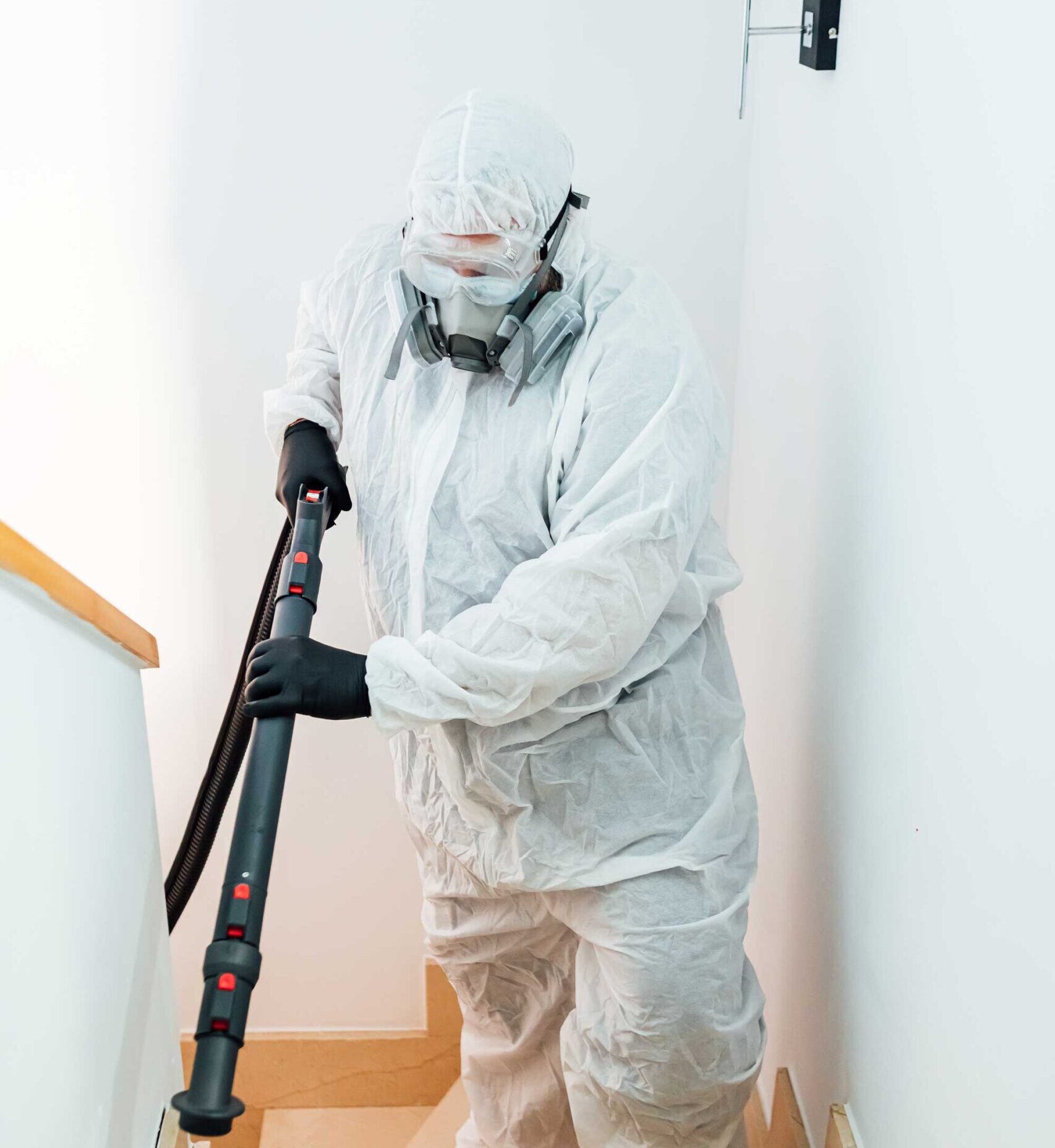
A storm can leave a house looking merely messy when it is actually contaminated, or looking terrible when the main issue is still manageable with the right sequence of steps. The difference usually comes down to how you reenter, what you check first, and whether you treat the invisible risks with as much respect as the visible ones.