Remodeling an Older Florida Property: How to Plan Around Groveland FL Asbestos Testing Needs
Older Florida properties have a way of winning people over fast. It might be the lot size, the mature oaks, the block construction, or the simple fact that a place built decades ago often has a layout you cannot find in many newer homes. In Groveland and across Lake County, those older homes also come with a reality check. The minute walls come down, flooring comes up, or an old HVAC closet gets opened, hidden hazards can turn a straightforward remodel into a much more complicated job.
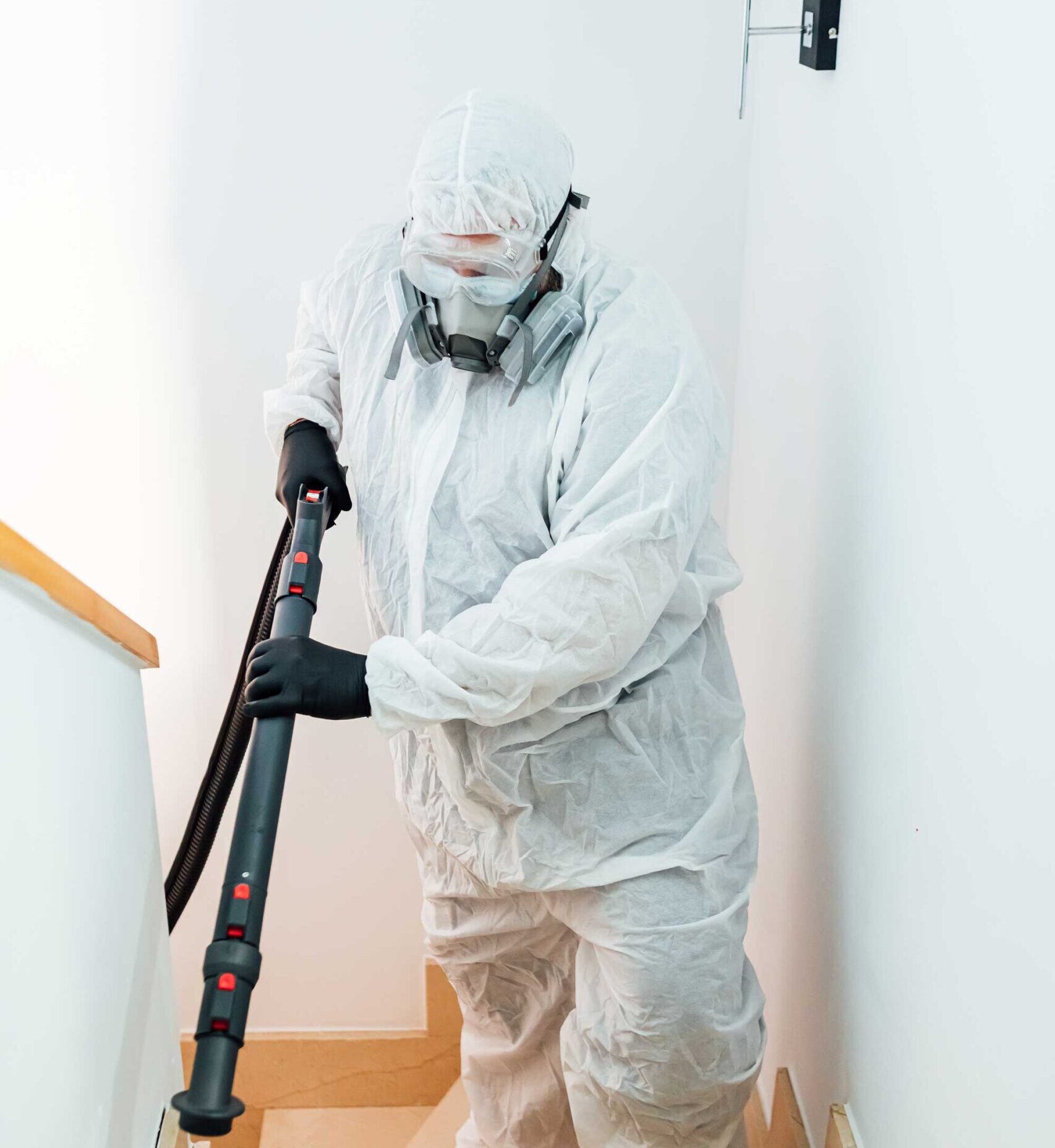
That is why Groveland FL asbestos testing deserves a place in the planning stage, not as a panicked phone call after demolition has already started.
If you are renovating an older property, especially one that has seen years of repairs, humidity, storms, and patchwork upgrades, it helps to think like a builder and a damage investigator at the same time. You are not just choosing tile and cabinets. You are evaluating what the house has been through, what materials may still be in place, and what conditions might be sitting behind finishes that look fine from the outside.
Why older Florida homes need a different remodeling mindset
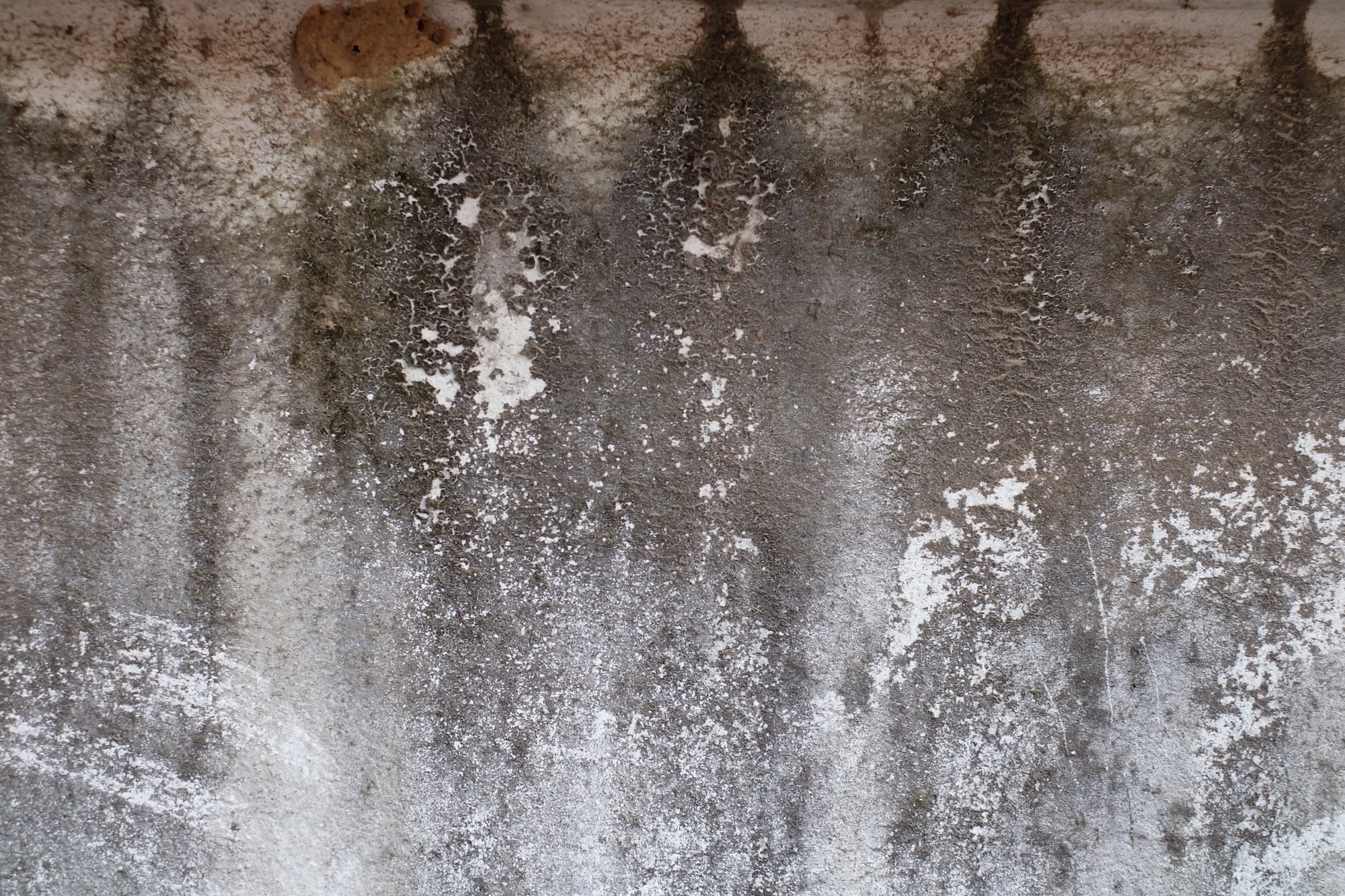
Lake County properties live in a climate that puts constant pressure on buildings. Humid summers, frequent rain, and hurricane season all raise the odds of moisture getting where it should not. Over time, even a well-kept home can develop hidden trouble from roof leaks, plumbing leaks, condensation, flooding, poor ventilation, or HVAC drain-pan issues. Florida health guidance is clear on this point, mold grows when moisture is present, and if mold keeps returning, the moisture source probably has not actually been fixed.
That matters during a remodel because demolition exposes the story of the house. A bathroom update may reveal long-term moisture around a tub surround. A kitchen remodel may uncover view page damage beneath a sink cabinet. Replacing ductwork can expose contamination inside the air system or signs that the central AC has not been controlling humidity well enough. Florida health guidance also notes that if a central AC system is being used to lower indoor humidity below 60 percent, the system should be examined for problems. In practice, that means an HVAC issue is not just a comfort problem. It can be part of a larger moisture and indoor air concern.
Many owners start with the visible wish list, cabinets, flooring, paint, maybe opening a wall between rooms. On an older property, the smarter sequence is often the reverse. First figure out what you are dealing with, then decide how far the renovation can go safely and efficiently.
Where asbestos testing fits in before demo starts
When people hear asbestos, they sometimes imagine an obvious industrial product or a dramatic contamination scene. Residential remodels are usually less cinematic and more frustrating. The real problem is that you often do not know what is in older building materials until work is about to begin or already underway.
EPA guidance makes the key point: renovation or demolition work involving asbestos-containing materials must be handled under applicable rules. For a homeowner in Groveland, that means testing is not a side issue. It is part of planning a responsible remodel, especially if the property is older and the project will disturb original materials.
A common mistake is treating asbestos as something you only deal with if a contractor spots a suspicious material mid-project. By then, scheduling gets disrupted, parts of the home may be unusable, and trades are waiting on answers. If asbestos-containing material is present in an area you plan to disturb, you may need asbestos abatement Lake County services before general remodeling can proceed. That affects cost, timeline, access, and how other parts of the project are sequenced.
There is another practical reason to front-load this step. Once a project starts, people get impatient. They want to keep the crew moving. That pressure leads to bad decisions, especially in older homes where one issue can uncover another.
Remodeling plans that commonly trigger testing conversations
Not every cosmetic update raises the same level of concern. Painting a room that is in good condition is one thing. Tearing into walls, ceilings, flooring, old insulation, or mechanical spaces is another. If the remodel involves demolition, sanding, drilling, cutting, or removal of older materials, that is when planning around asbestos becomes much more important.
In the field, the riskiest projects are often the ones owners underestimate. A “small” bathroom refresh can involve wallboard, underlayment, flooring layers, adhesive, venting, and plumbing access. A simple “let’s replace this old AC” job can open up insulation, condensate issues, old duct materials, and microbial growth in the air path. A room addition can trigger tie-ins to existing materials that have been untouched for decades.
None of that means every older home has asbestos problems waiting behind every wall. It means you should not assume the opposite.
The moisture question is usually sitting right next to the material question
One reason remodeling older Florida property gets complicated fast is that hazards rarely show up one at a time. A home that needs Groveland FL asbestos testing may also need mold removal Groveland services in an entirely different part of the structure. The two issues are not interchangeable, but they often collide in renovation work because both are discovered when finishes are opened.
For example, imagine an older home where the owner plans to replace flooring and update base cabinets after years of seasonal occupancy. During removal, the crew finds signs of repeated slab-edge moisture and a musty odor near an exterior wall. That does not automatically tell you the extent of the damage, but it does change the project. Now the owner may be dealing with material testing on one side and moisture investigation on the other.
This is where judgment matters. Florida health guidance says visible mold or recurring mold usually means the underlying moisture source still needs to be fixed. Cleaning the surface without fixing the leak, condensation issue, or ventilation problem is rarely a real solution. If the HVAC system has been masking humidity instead of controlling it effectively, HVAC mold remediation may need to be part of the scope as well.
In other words, a remodel often succeeds or fails based on whether you treat the hidden building conditions first, not how quickly you get to finishes.
Why the order of operations matters so much
A lot of renovation stress comes from doing tasks in the wrong order. Owners are understandably eager to get to the fun part. They want the design selections, not the investigative phase. But on an older Florida property, sequence protects both budget and sanity.
The cleanest path usually looks like this:
- Define the remodel scope and the areas that will be disturbed.
- Address pre-renovation concerns such as material testing and moisture investigation.
- Complete any necessary remediation, including asbestos abatement Lake County work or mold-related repairs.
- Confirm the underlying source problems are corrected, whether that is leakage, drainage, ventilation, or HVAC performance.
- Start reconstruction after the site is safe and stable.
That order helps avoid one of the most expensive remodel mistakes in Central Florida, finishing a beautiful project over a problem that was never actually solved.
I have seen versions of this play out many times in older homes. A family replaces drywall and trim after staining appears around an air handler closet. A few months later, the odor returns because the drain issue was never corrected and the system itself was part of the moisture problem. Or an owner moves ahead with demolition before asking enough questions about older materials, then has to stop the whole project while testing and next steps are sorted out. Both situations cost more than they needed to.

Insurance, documentation, and the paper trail people forget
Not every remodel starts as a design choice. In Groveland and the surrounding area, some projects begin after a storm, a roof leak, a plumbing failure, or a small fire. Once a repair project includes tearing out damaged materials in an older property, pre-existing hazards and contamination issues can enter the picture quickly.
FEMA guidance emphasizes documenting damage and coordinating with your insurer during cleanup and repairs after flood, storm, smoke, or fire events. NAIC consumer guidance also reminds homeowners that an insurance policy is a legal contract, and that owners should ask questions, understand their coverage, and keep an inventory to help with claims. Those two ideas sound basic, but in real projects they make a major difference.
If you have hurricane damage restoration Florida work ahead of you, take photos before cleanup moves too far. Keep records of damaged areas, affected contents, temporary mitigation work, and conversations with your carrier. If water entered the home, note what it touched. If smoke spread beyond the immediate fire area, document odor and residue in adjacent rooms. If sewage was involved, isolate that fact clearly because sewage cleanup carries distinct health concerns.
When the home is older, good documentation also helps separate storm-related repairs from long-standing conditions that may need a different plan. It is much easier to make sound decisions when the facts are organized early.
When emergency damage changes the remodel overnight
Florida remodels do not always proceed on a neat timeline. A house can be mid-renovation when a summer storm pushes water through an unfinished opening. A neglected property can be purchased for renovation, then reveal flood damage, smoke residue, or contamination during cleanup. In those moments, the work shifts from remodeling to stabilization.
Emergency restoration services become important when health, safety, or further damage is at stake. Water damage cleanup Central Florida projects often need quick action because wet materials, trapped humidity, and delayed drying create a strong path toward mold growth. Flooded homes also carry additional safety concerns. FEMA and CDC guidance says reentry after flooding should focus first on safety, utilities, and contamination risks. CDC guidance also notes that food exposed to flood or storm water should be thrown away, and that generators must be used carefully because of fire and carbon-monoxide risks.
That may sound outside the scope of remodeling, but in practice it is often the turning point. A planned renovation can become a contaminated worksite if floodwater enters. A simple rebuild after a kitchen fire can expand once smoke residues and odor migration are understood. Fire and smoke damage cleanup, sewage cleanup, and odor removal are not cosmetic tasks. They affect what can be saved, what must be removed, and when reconstruction can safely begin.
The first 24 hours after a fire are especially important for safety checks and starting the insurance and recovery process, according to the U.S. Fire Administration. That early period often shapes the full repair timeline.
Choosing the right help without creating more confusion
One challenge homeowners run into is assuming one contractor can handle every hidden issue uncovered during a remodel. Sometimes that is true. Sometimes it is not. The key is understanding what qualifications and services actually match the problem.
For mold-related work in Florida, state guidance says mold assessor and mold remediator licensure is handled by the Florida Department of Business and Professional Regulation. That tells you two things. First, mold should be taken seriously as a regulated area of work. Second, not every company advertising general cleanup is necessarily the right fit for a complicated moisture or contamination problem.
If your remodel uncovers multiple issues at once, such as suspect older materials in one room and microbial growth from a leak in another, it helps to work with a remediation company Lake County owners can talk to clearly about sequence, containment, and scope. You want plain answers to practical questions. What has to happen before demolition continues? What areas should be isolated? Is the HVAC system part of the problem? Has the moisture source actually been identified? What steps are needed before rebuilding begins?
A good company will not pretend everything is simple. Older houses are rarely simple.
The HVAC system is often part of the story
One area that gets overlooked in remodel planning is the mechanical system. Owners may budget for cosmetic duct cover changes or a new thermostat while ignoring signs that the actual system has been contributing to humidity and odor issues for years.
Florida health guidance points directly to HVAC and drain-pan problems as common moisture sources. It also says that if a central AC system is being used to lower indoor humidity below 60 percent, the system should be examined for problems. In practical terms, if a home has persistent musty smells, visible growth around supply vents, recurring condensation, or moisture in the air-handler area, then HVAC mold remediation may be a necessary part of the renovation conversation.
That is especially true when people are opening ceilings, replacing insulation, or reworking room layouts. Remodeling changes airflow and can expose long-hidden conditions. There is little benefit in installing fresh finishes while a moisture-producing HVAC issue remains active in the background.
Do not forget lead-based paint in pre-1978 homes
While the focus here is Groveland FL asbestos testing, older home planning should also keep lead-based paint in mind. EPA guidance says homes built before 1978 may contain lead-based paint, and renovation, repair, or painting can disturb hazardous materials in older homes.
This matters because homeowners often treat sanding, scraping, trim replacement, or window work as routine carpentry. In older housing stock, those activities may deserve a more careful approach. It is another reason broad, early planning beats piecemeal decision-making after crews are already working.
A realistic budgeting approach for older homes
The hardest conversation in older property remodeling is rarely about style. It is about uncertainty. People want a firm renovation number before anyone has opened a wall or checked conditions that might affect health and compliance. That is understandable, but it is not how older-house risk behaves.
A better approach is to separate the budget into stages. There is the visible remodel scope, then there is the discovery and remediation layer that may emerge once the property is assessed. Even if no major issue turns up, planning for that possibility reduces stress. It keeps you from spending every dollar on finishes before the house has proven itself behind the surfaces.
Owners also do well when they build time into the schedule. Testing, evaluation, and any needed remediation can extend a project. That is frustrating, but less frustrating than rushing ahead, contaminating additional areas, or redoing work because the first round skipped the real problem.
What a calm, well-planned project usually looks like
The smoothest older-property remodels in Groveland tend to have a few things in common. The owners are curious instead of defensive about what the house might reveal. They document conditions early. They do not dismiss odors, stains, or past water events as minor quirks. And they understand that emergency restoration services, mold removal Groveland work, asbestos abatement Lake County services, or water damage cleanup Central Florida support are sometimes part of responsible renovation, not signs that the house is a lost cause.
That perspective matters. An older home can absolutely be worth saving and improving. It just needs a plan grounded in the realities of Florida buildings. Heat, humidity, storms, and decades of patch repairs leave clues. When you take those clues seriously before demolition starts, the project gets safer, cleaner, and far more predictable.
A remodel should uncover possibilities, not expose avoidable mistakes. If your property is older and the work will disturb original materials, putting Groveland FL asbestos testing into the early planning phase is one of the smartest moves you can make. It gives the project a stable starting point, helps coordinate any needed remediation, and keeps the rest of the renovation from being built on guesswork.